

Why Your Metal Products Are Not Durable? The Problem Lies in Surface Treatment
* : * : admin * : 2026-07-31 9:54:00 * : 46
Why Your Metal Products Are Not Durable? The Problem Lies in Surface Treatment
Many factories face a common dilemma: metal workpieces with qualified base materials and standard processing procedures still suffer from frequent rusting, wear, oxidation and peeling after put into service, resulting in greatly shortened service life. In fact, the poor durability of most metal products stems not from defective base materials, but from substandard metal surface treatment processes. Serving as a protective barrier for metal workpieces, surface treatment directly determines the durability and service life of finished products.
To shorten construction cycles and cut costs, many manufacturers neglect critical details in surface treatment with irregular operations. The most prevalent issue is perfunctory pretreatment. Workpieces with residual oil stains, oxide scales, rust and surface impurities are directly processed through polishing, spraying, passivation and other procedures. The surface treatment layer fails to bond closely with the substrate under residual contaminants, easily causing coating peeling and protective layer failure. External moisture and air will erode the metal matrix, leading to rapid corrosion and damage of workpieces.
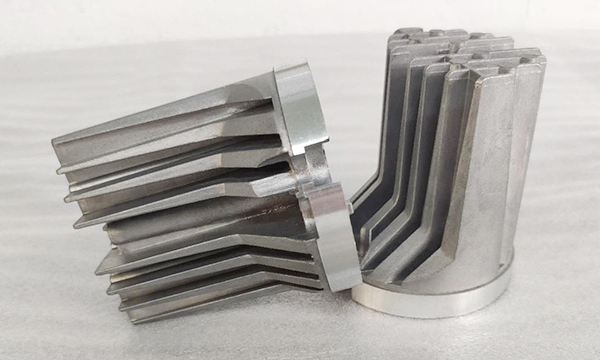
Improper process selection is another core cause. Different metal materials and service scenarios require targeted surface treatment processes. However, many factories adopt a unified process for all workpieces without customized wear-resistant, anti-corrosion and rust-proof treatment. Workpieces applied in outdoor, humid or acid-base environments lack enhanced surface protection, and will gradually develop scratches, corrosion and aging during long-term operation, greatly shortening their service cycles.
Standard and professional metal surface treatment effectively eliminates surface defects and forms a dense protective layer on the metal surface to isolate air, moisture and corrosive media, while improving the wear resistance and scratch resistance of workpieces. Standardizing pretreatment, adopting customized processes and regulating operating procedures can fundamentally solve the problems of metal wear and rust, improve product quality and durability, and reduce after-sales losses and rework costs for manufacturers.
previous item: How to Solve Corrosion and Wear Problems Through Metal Surface Treatment
next item: What are the Differences Between Electrostatic Coating and Ordinary Spraying? Which is Better?


 关闭返回
关闭返回